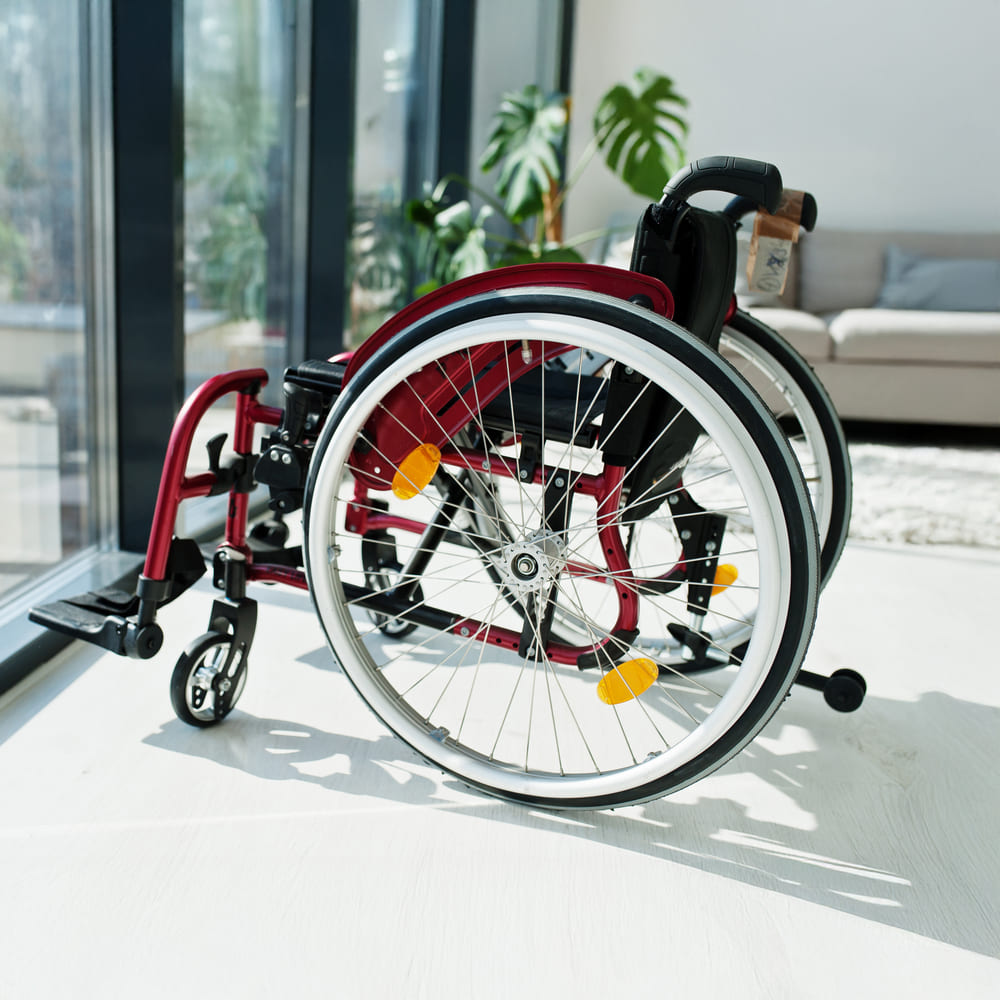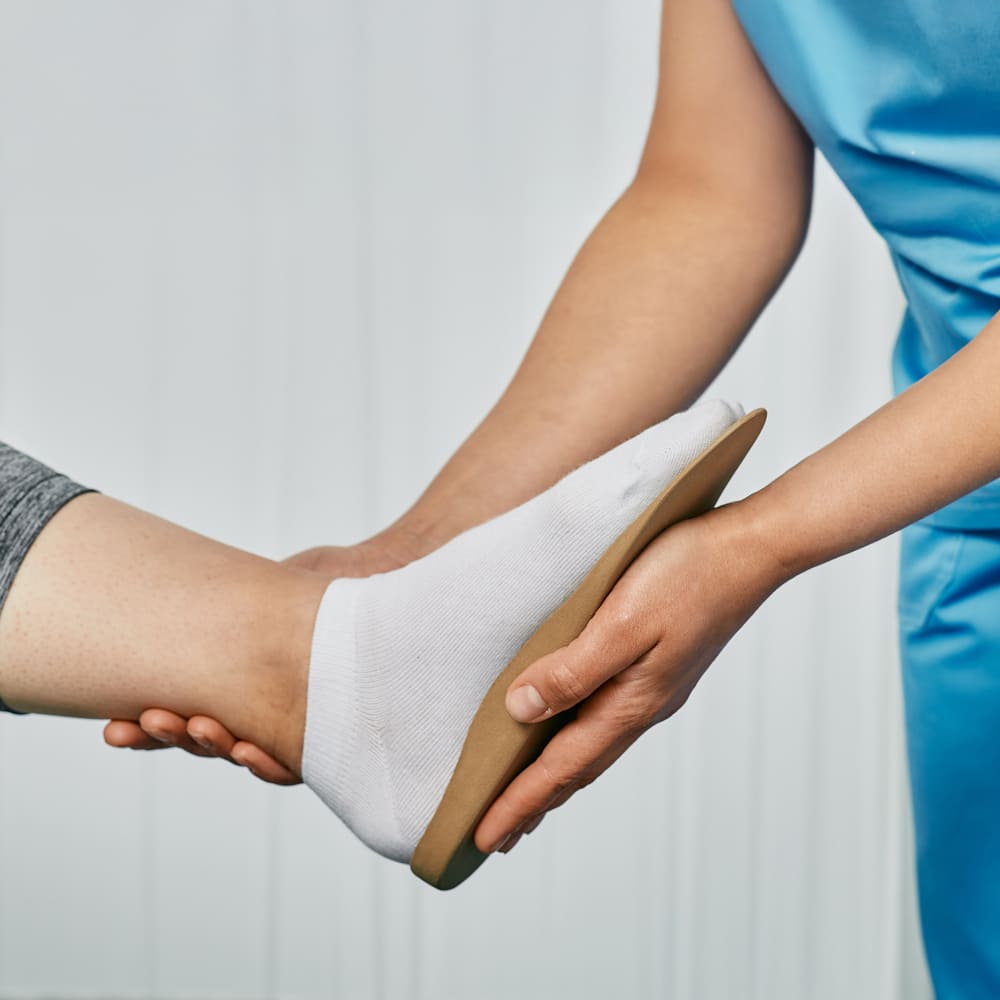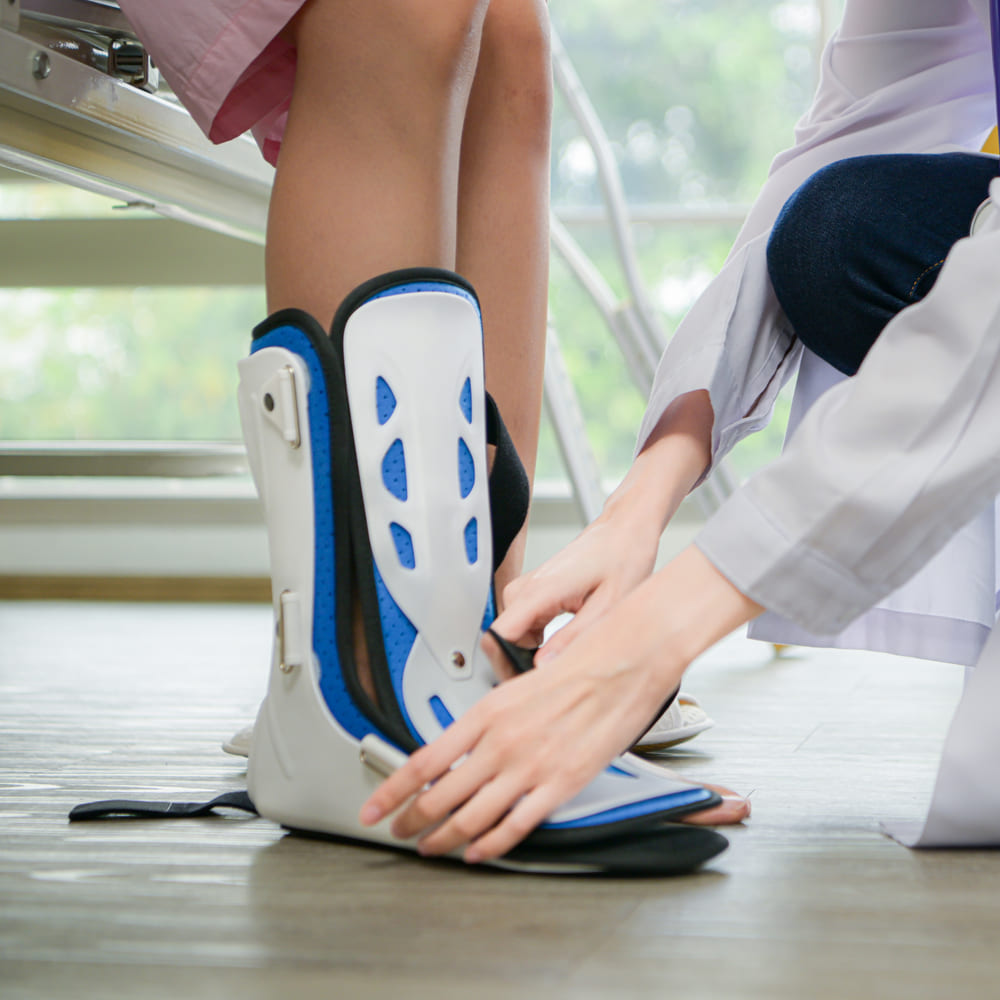
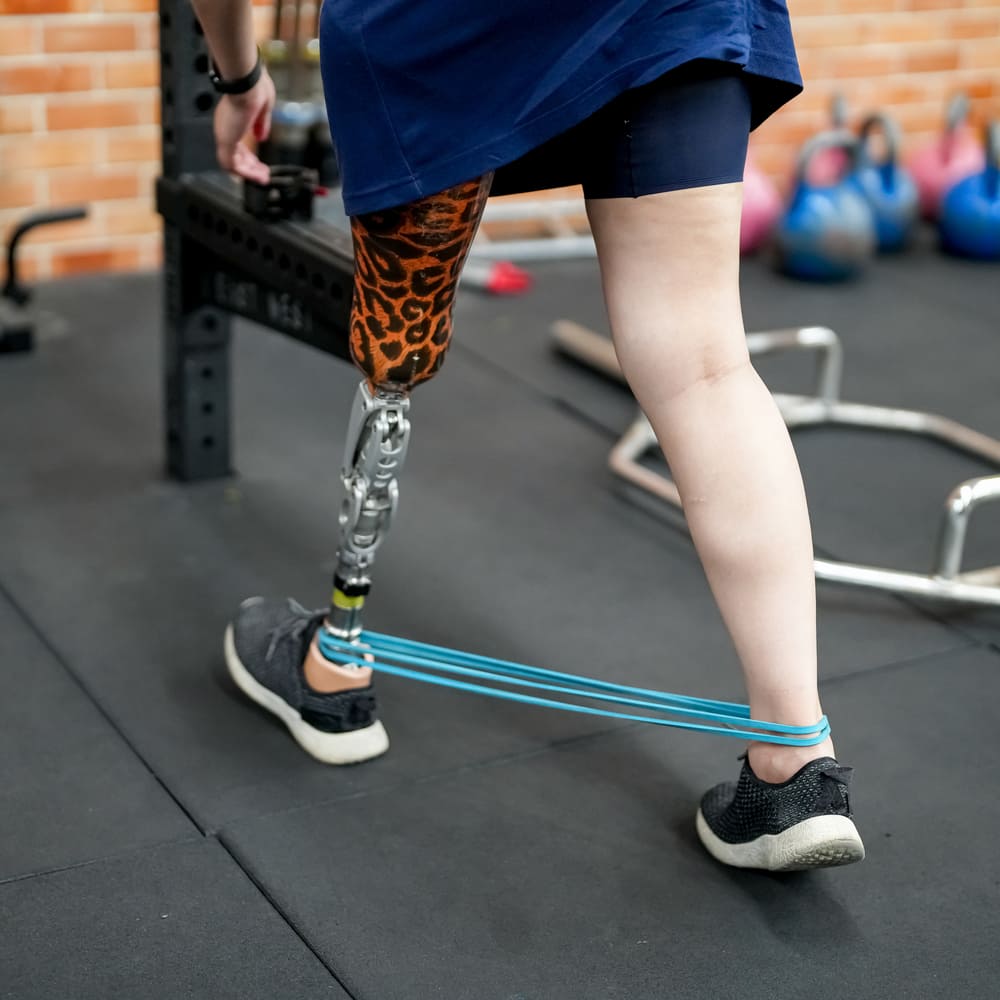
The science of prosthetics has reached an extraordinary level of precision, combining biomechanics, robotics, and sensory feedback to mimic natural movement.
1. From Function to Feel
Modern prosthetic limbs replicate joint motion using hydraulic or microprocessor-controlled systems. Myoelectric sensors translate muscle impulses into fluid motion, offering near-natural control.
2. The Human Element
Beyond engineering, prosthetics restore identity and confidence. Every design considers skin tone, limb length, and gait analysis to ensure both aesthetics and function.
3. Rehabilitation and Training
Reintegration requires physiotherapy and psychological adaptation. Smart Touch’s prosthetic specialists guide patients through each stage—from fitting and gait training to maintenance and long-term care.
4. Toward the Future
Research in neural-linked prosthetics aims to reconnect nerves directly to artificial limbs, offering real-time sensory feedback. This innovation will soon blur the line between biological and mechanical movement.
Smart Touch Medical Equipment LLC remains at the forefront of this transformation—helping patients move confidently and live fully after amputation.